
Miking a theater stage - how can you be sure that all the actors will be heard?
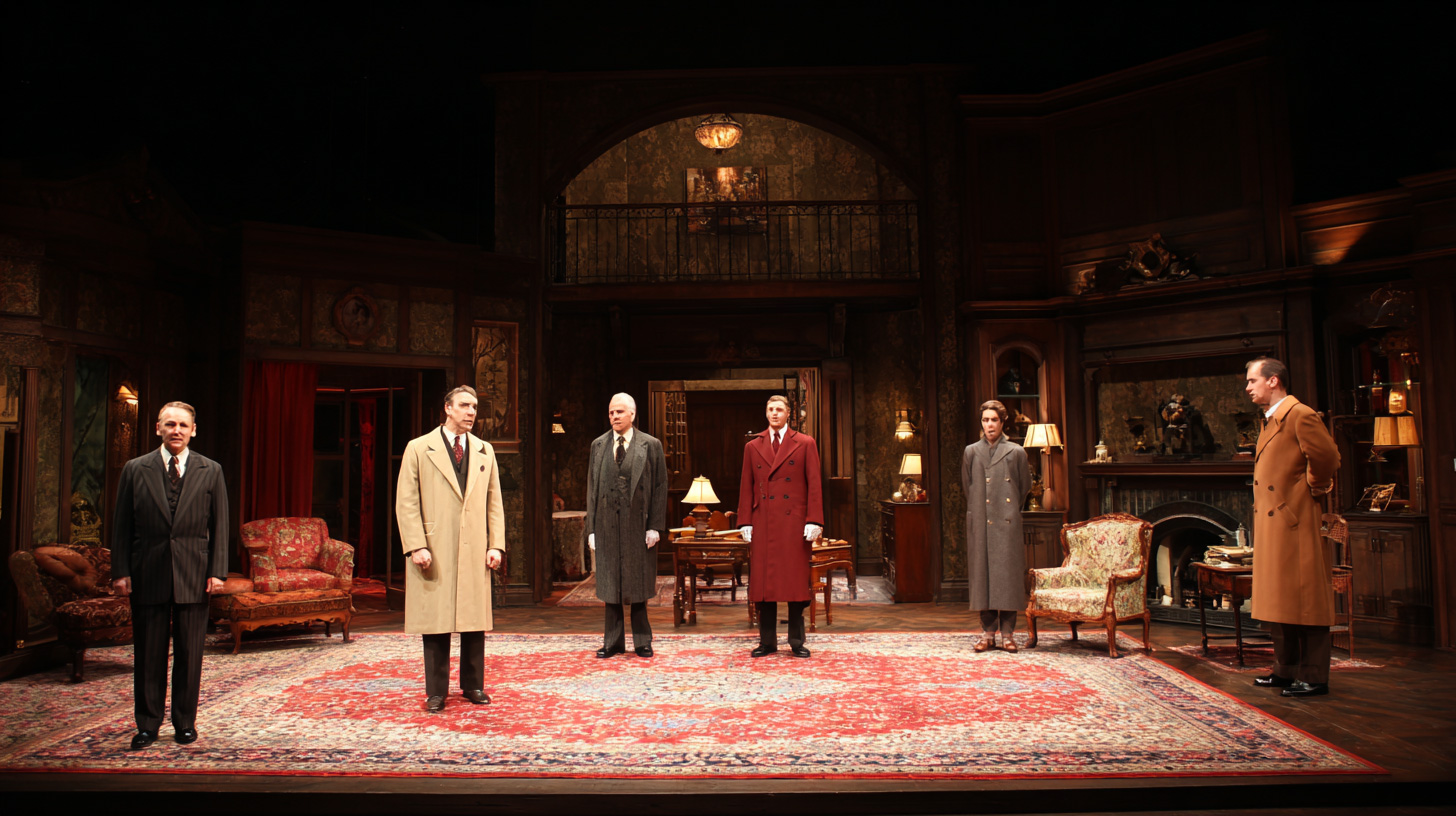
The ultimate solution to miking a theater show for sound reinforcement (rather than recording) is to use radio microphones all round. The problem with this is that you will need a lot of mics, not quite one per performer as it is unlikely that everyone will be on stage simultaneously except for the curtain call. Even so, it is a significant expense, and they all need careful handling and monitoring.
The alternative is a method known as area miking. This is where microphones are deployed to cover certain areas of the stage. When the actors are in a miked area, they can clearly be heard by the audience.
The trouble is that when they are not in a miked area, they only have the natural sound of their voice to communicate to the audience. And this is not always enough.
The problem with area miking is to get sufficient level without feedback. As always the best defence against feedback is to have the mic as close to the sound source as possible, and the gain adjusted accordingly. But the trouble with this is that the sensitive area will be small.
Try and make the miked area bigger, and the mic will be further away from the performers, hence more gain will be necessary leading to a greater risk of feedback.
There is no complete solution, but the sound designer should work with the director to consider where the important areas are that should be miked. Possibly the director will not immediately understand the importance of this. You must make them understand, otherwise you will get blamed for the sound not being right when in fact you have been given an impossible task in the first place.
Here are the steps you can take to improve area miking, but bear in mind that there is no complete solution...
- Use rifle/shotgun (interference tube) mics at a distance rather than conventional mics close up. This increases the useful depth of the miked area.
- Have as few miked areas as possible.
- Make each area as small as possible.
- Mute areas that are not currently in use.
- Make sure the director and the actors understand the problem.
One last tip is never to allow the system to ring. This is the characteristic sound that is heard just before the onset of feedback. Ringing is unpleasant and becomes really tiring if allowed to continue through the course of a play. Keep a close ear on the sound quality and back off the level any time even the slightest ringing is heard.

David Mellor
David Mellor is CEO and Course Director of Audio Masterclass. David has designed courses in audio education and training since 1986 and is the publisher and principal writer of Adventures In Audio.


